For Bastyr University grad Thomas, Haitian quake was personal
Published 12:33 pm Wednesday, January 12, 2011
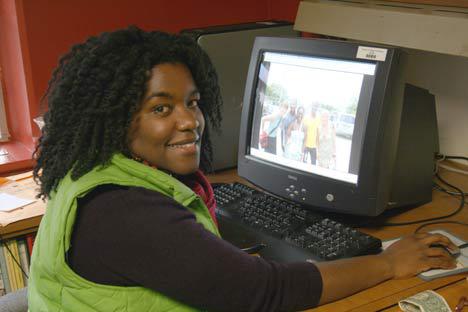
A naturopathic physician, Haitian researcher has made four aid trips to the island nation since huge quake struck one year ago
“The shock for me was looking at the bodies,” said Marie-Sabine Thomas, a naturopathic physician and a graduate of Bastyr University who now is doing post-doctoral research at the school.
Born and raised in central Africa, the Kenmore resident, 35, is the daughter of Haitian-born parents. She still has close ties to the island nation and lost two family members to the magnitude-7 earthquake that struck there on Jan. 12, 2010.
Strongly compelled to offer her help, Thomas also has made four trips to Haiti since the quake, the first coming about a month after the disaster.
During that first trip, before reaching the island, Thomas said she was warned to have something ready to cover her face in order to mask the smell of decaying bodies. She added that she mercifully never encountered such a smell, but described what she saw as undeniably powerful: piles of the dead, apparently waiting for mass burial.
While she fully intends to return to Haiti, to mark the first anniversary of the quake, Thomas helped organize a vigil at the Bastyr University chapel. She emphasized the event was not a fund-raiser, but a remembrance of those lost and a chance to look toward Haiti’s future.
“The entire world turned toward the island,” Thomas said. “What do we do with that energy?”
Looking back, Thomas said that, oddly, when she first reached the island, she thought perhaps news reports had blown the situation out of proportion. She soon changed her mind.
“I was definitely struck by the amount of destruction,” Thomas said.
She first arrived in Haiti’s capital of Port-au-Prince and said parts of the city resembled a bowl in which a bomb had gone off in the bottom.
“For miles and miles, all you could see was debris,” Thomas stated. At the same time, occasionally, in the midst of the rubble, was a building standing alone and seemingly unharmed.
“It was quite random,” Thomas said.
She also recalled persons selling juice or clothing spread out on large bits of rubble.
While she traveled through Port-au-Prince, Thomas spent most of her first trip in Jacmel, a smaller city that maybe didn’t get the publicity heaped on Haiti’s capital, but which still felt the full effects of the quake. As a naturopathic doctor, Thomas said she can’t take on traditional emergency care.
“We can provide, basic ongoing care,” she continued.
In a way, at this point, naturopathic medicine may be more helpful to Haitians than Western medicine. Thomas said natural medicine is accepted and common on the island and while the country recovers from the quake, survivors may have a better chance of growing and working with natural cures rather than relying on expensive and hard-to-find, man-made medicines.
Members of Thomas’ family lost to the quake included an in-law and a cousin.
At 25, the cousin had returned to Haiti only a month or so before the quake after graduating from college in France. Thomas said she and her mother spent three “agonizing” days following the quake unable to reach any family members on Haiti. She added a Facebook posting by a friend of her cousin incorrectly stated the cousin was OK.
Judging from Thomas’ comments, Haiti’s ongoing problems probably can’t be overstated. She last visited the island in September.
“Maybe some clean-up has been done, but nothing has been rebuilt,” she said.
Thomas predicted the island’s recovery is going to be slow and could take a long time. Haiti’s health problems now include typhoid, malaria, skin conditions, cholera and, probably not surprisingly, post-traumatic stress disorder.
Thomas has postponed her next trip to Haiti at least until after the country’s political situation stabilizes, hopefully with the election of a new president by the end of this month. She is working with an international group to find ways for naturopathic doctors to provide long-term responses to natural disasters.
“My only regret is that what we did was a short-term mission… I know I will go back. It’s my family,” she said.