Seminary redevelopment moves ahead
Published 9:13 am Thursday, July 28, 2016
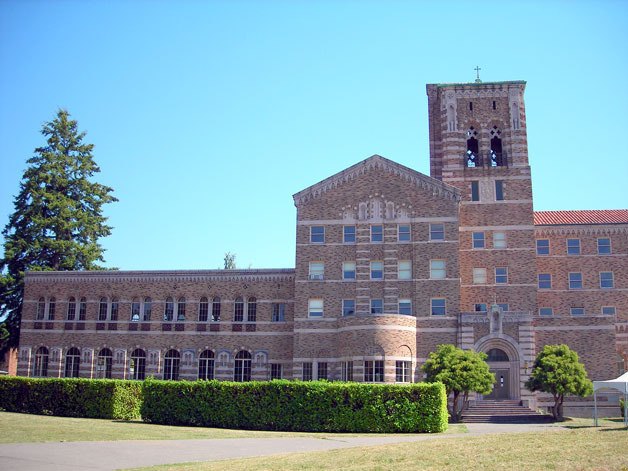
A Seattle-based developer submitted an environmental review application with the city of Kenmore for a proposed restoration and conversion of the St. Edward seminary into a lodge late last month, and a notice was sent out on July 12.
The application was filed on June 30. The proposal would allow Daniels Real Estate to lease 5.5-acres in the heart of St. Edward State Park, including the seminary building, an existing pool and gymnasium, open space south of the pool building and surface parking, for 62 years.
The interior of the seminary building would be rehabilitated to provide up to 100 guest rooms, meeting rooms, a spa, restaurant and cafe. On-site parking would be provided for guests and employees of the spa but adjacent parking would be for public use, and the proposal states any current public parking spaces displaced by renovations would be replaced.
In the application, the city found the proposal would have a significant adverse impact on the environment.
The application is in the scoping phase of review, meaning the city will begin to look at focused environmental impacts and taking in public comment until August 2.
Following that a draft and final environmental impact study will be presented to various agencies, including the Washington State Parks and Recreation Commission, who owns the land.
The available use of the land must also be changed from a park to a commercial lodge, said Daniels Real Estate spokesperson Trevina Wang.
She said the environmental review would likely take months to complete.
“Instead of just waiting, we wanted to get the process started,” she said.
If approved, Daniels Real Estate would purchase nearly 10-acres of undeveloped woodland with 450 feet of shoreline adjacent to the park and exchange it for the lease of the seminary and surrounding land.
The company estimates that it would take up to $50 million just to repair the seminary. Heating and lighting the seminary is currently costing the state around $100,000 annually.
Concerns over the environmental and social impacts of converting the seminary into a lodge have also been raised by neighbors and area residents, many of whom support turning the building into an open air monument and retaining the park entirely for public recreation.